Budget-Friendly Backyard Upgrades
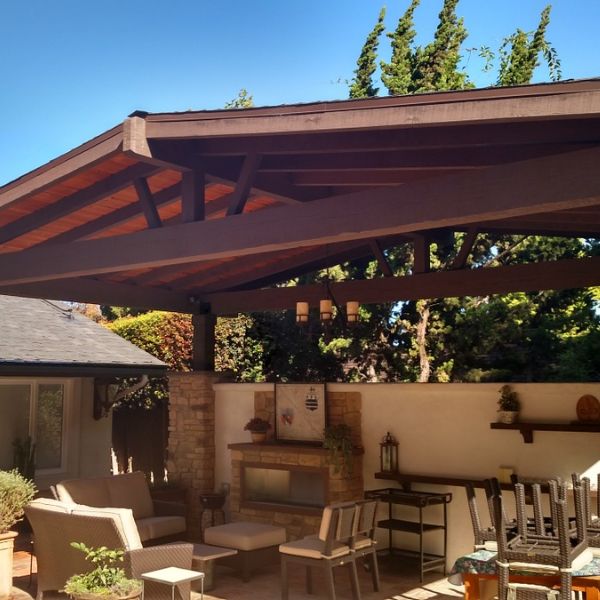
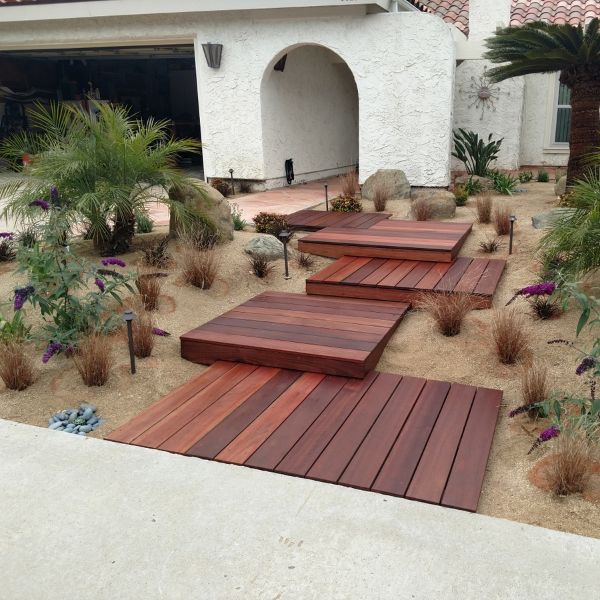
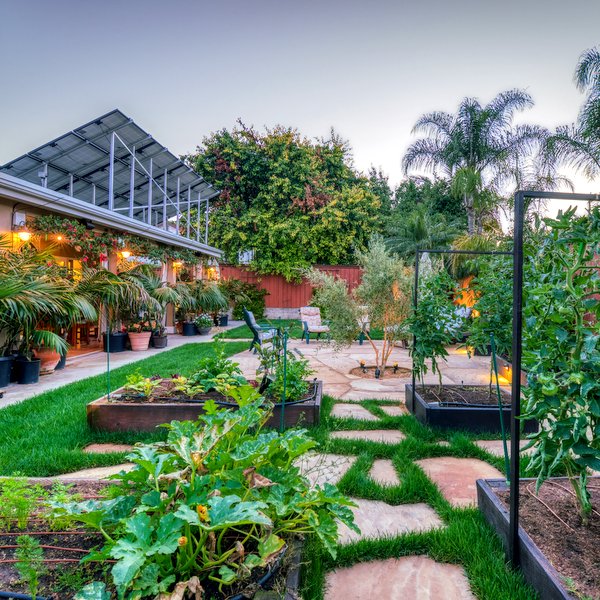
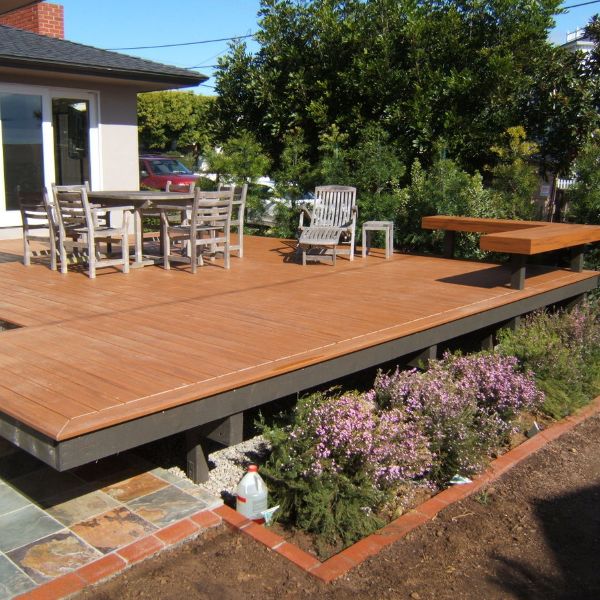
Maximizing Style and Functionality on a Small Budget Transforming your backyard into an inviting outdoor space doesn’t have to break the bank. With some planning, creativity, and smart ideas, you can upgrade your outdoor living space on a budget. Explore…
Read More The Zen Garden: Creating a Tranquil Backyard Retreat
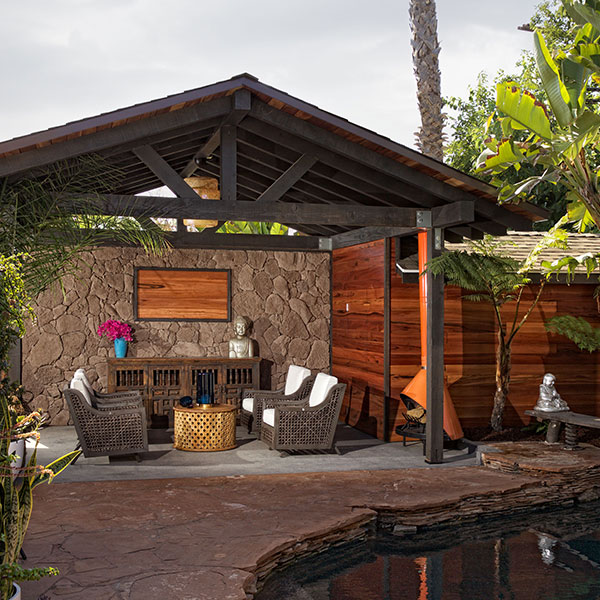
Creating Harmony Through Natural Elements in San Diego Imagine stepping into your backyard and being greeted by a serene oasis — a place where you can escape the hustle and bustle of everyday life and find peace within yourself. This…
Read More DIY vs. Hiring a Landscape Contractor in San Diego, CA
Smart Strategies for Outdoor Projects Undertaking an outdoor project, whether it’s a small garden makeover or a complete landscape transformation, requires careful consideration. One of the first decisions you’ll face is whether to tackle the project yourself or hire a…
Read More 9 Backyard Remodel Ideas on a Small Budget
Design a Modern Sanctuary Right Outside Your Door Having a serene and modern backyard doesn’t have to break the bank. With a little creativity and thoughtful design, you can transform your small backyard into a tranquil retreat on a budget.…
Read More The Beauty and Functionality of Retaining Walls in Your Landscape
Beauty Meets Functionality With Retaining Walls When it comes to transforming your outdoor living space into a beautiful and functional landscape, retaining walls play a crucial role. These structures add visual appeal and provide numerous benefits for your property. Let’s…
Read More Creating Secluded Backyards: Innovative Privacy Solutions
Designing Backyard Bliss and Privacy Creating a secluded and private outdoor living space in your backyard is a wonderful way to enhance the enjoyment of your home. Whether you desire a peaceful retreat, a space to entertain guests, or simply…
Read More Enhancing Your Backyard With Seat Walls
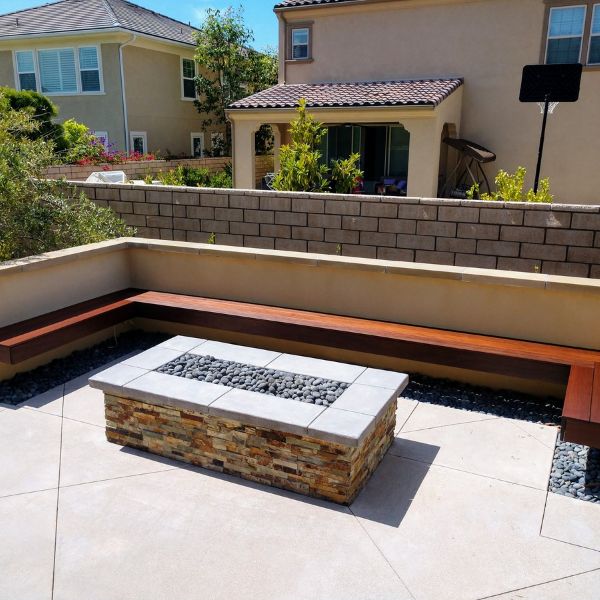
Crafting an Outdoor Living Space With Seat Walls Our landscape contractor in San Diego, CA, Jeff Wilson, believes a well-designed backyard is not only a source of pride for homeowners but also a place where cherished memories are made. One…
Read More Reviving Neglected Backyards in San Diego, CA
Turning Wasted Space into Your Ideal Backyard Neglected backyards can often be eyesores, with overgrown plants, cluttered spaces, and a general sense of disarray. But with some vision, hard work, and the right expertise, these outdoor spaces can be completely…
Read More Creating a Fire-Resistant Landscaping
Design Your Backyard for Beauty and Safety Living in San Diego, California, means we’re no strangers to the risk of wildfires. As beautiful as our landscapes may be, they also present potential fire hazards. It’s essential to strike a balance…
Read More Ideas for Water-Conserving Landscapes
Drought-Proofing Your Backyard With water conservation becoming an ever-pressing concern, creating a water-efficient and drought-proof backyard isn’t just environmentally responsible, but it also helps you save on water bills and maintenance costs. If you live in San Diego, CA, where…
Read More