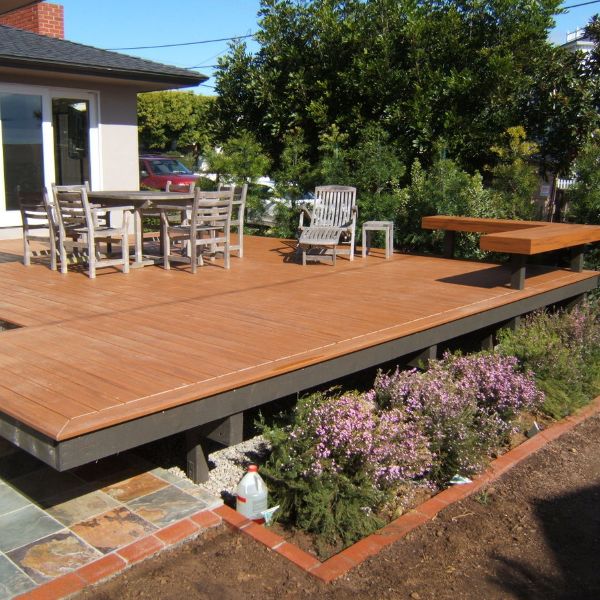
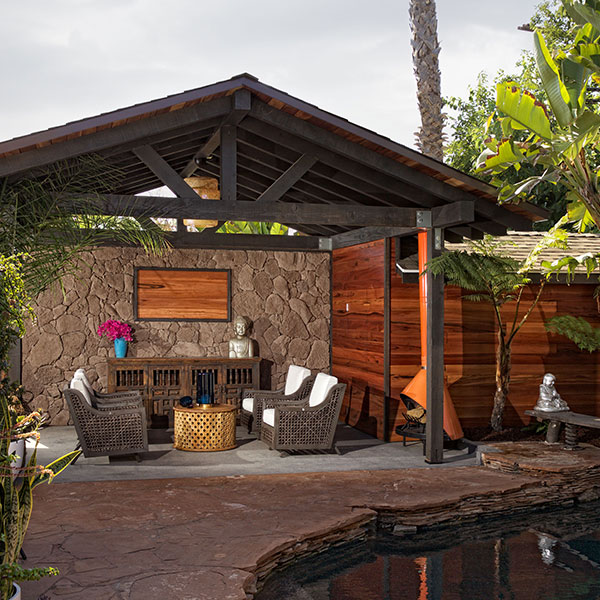
Look for Inspiration with Willson Woodscape Landscape Ideas
Our Featured Sustainable Landscape Services in San Diego
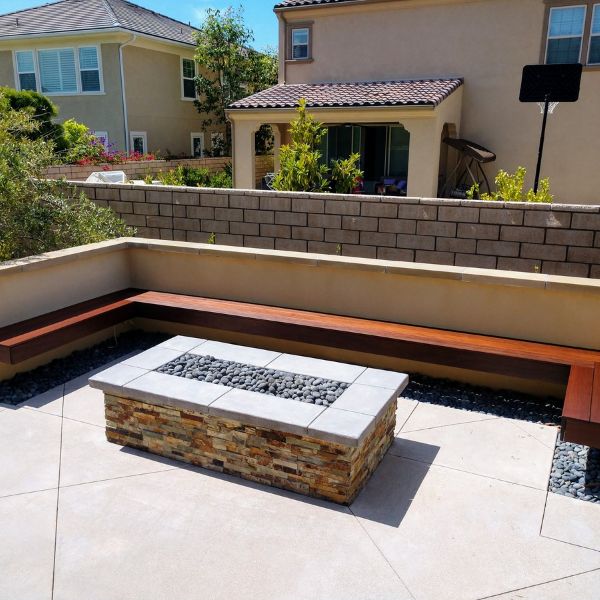
Make Your Backyard Shine Bright Your backyard is not just an outdoor space; it’s an extension of your home — a place where you can unwind, entertain, and immerse yourself in a comfortable atmosphere. And with the addition of fire…
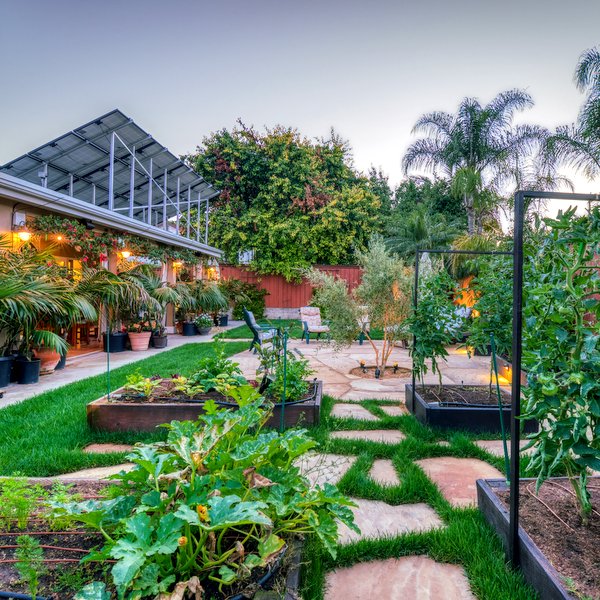
Discover the Secrets to a Beautiful Backyard! A backyard is more than just an outdoor space; it’s an extension of your home. One of the most effective ways to transform your backyard into a beautiful oasis is by incorporating plants…
How to Embrace Seasonal Charm and Appeal Designing a backyard that offers year-round enjoyment is a goal shared by many homeowners. Imagine stepping into your outdoor space and experiencing a captivating landscape that changes with the seasons, providing a visual…
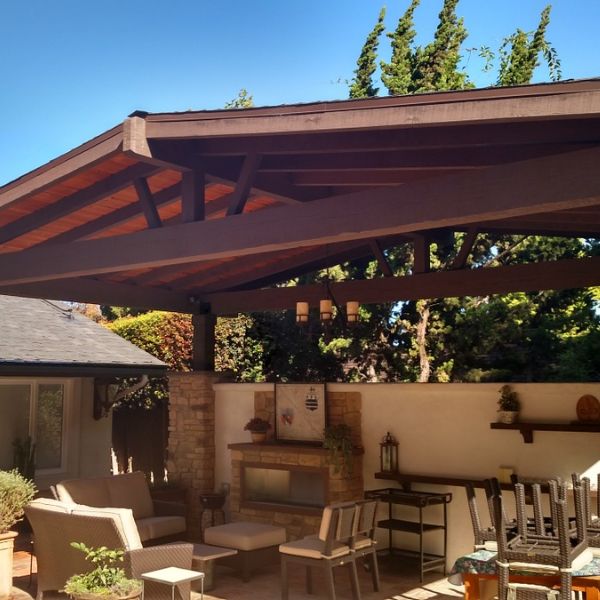
Experience the Joy of Outdoor Dining There’s nothing quite like enjoying delicious meals in the great outdoors. With the warm climate and beautiful landscapes of San Diego, having an outdoor kitchen is a fantastic way to bring the joy of…
Your Top 5 Must-Have Backyard Features A well-designed backyard landscape can transform an ordinary outdoor space into a breathtaking oasis. Whether you have a large or small backyard, incorporating the right features can enhance its beauty and functionality. Wilson Woodscape…
Incorporating Sustainable Practices in Landscape Design
As environmental awareness grows, incorporating sustainable practices in landscape design has become essential. Sustainable landscaping focuses on creating outdoor spaces that are not only beautiful but also environmentally friendly, conserving resources and promoting biodiversity.
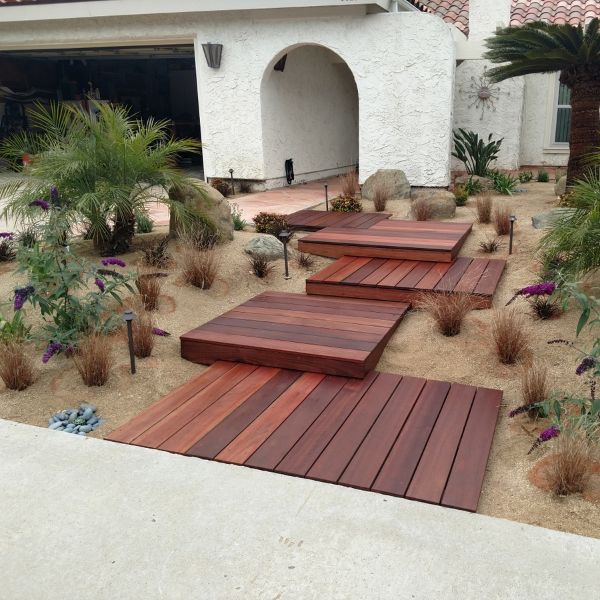
Techniques such as using native plants, implementing efficient irrigation systems, and reducing lawn areas can significantly lower water usage and maintenance costs. For instance, rain gardens and xeriscaping are popular methods that enhance aesthetics while supporting local ecosystems.
Transforming Small Spaces: Creative Landscaping Solutions
Small outdoor spaces can present unique challenges, but with the right landscaping solutions, they can be transformed into functional and inviting areas. Creative design strategies can maximize limited space and create a sense of openness.
Utilizing vertical gardens, multi-functional furniture, and strategic plant placement can enhance the usability of small backyards or patios. For example, incorporating climbing plants on trellises can add greenery without occupying ground space, making small areas feel larger and more vibrant.
Enhancing Outdoor Living with Custom Features
Custom outdoor features can elevate your landscape and create a personalized outdoor living experience. From outdoor kitchens to fire pits, these elements not only enhance usability but also increase property value.
For instance, a well-designed outdoor kitchen can serve as a central gathering point for family and friends, while a cozy fire pit can extend the usability of your backyard into the evening hours. Custom features tailored to your lifestyle can make your outdoor space truly unique.
Seasonal Landscaping Tips for Year-Round Appeal
Maintaining an attractive landscape throughout the year requires seasonal planning and care. Different seasons bring various challenges and opportunities for enhancing your outdoor space.
In spring, focus on planting and nurturing new growth, while summer may require more attention to irrigation and shade solutions. Fall is the time for cleanup and preparation for winter, ensuring your landscape remains healthy and vibrant. Understanding these seasonal needs can help you create a landscape that looks great all year long.
Incorporating Sustainable Practices in Landscape Design
As environmental awareness grows, incorporating sustainable practices in landscape design has become essential. Sustainable landscaping focuses on creating outdoor spaces that are not only beautiful but also environmentally friendly, conserving resources and promoting biodiversity.
Techniques such as using native plants, implementing efficient irrigation systems, and reducing lawn areas can significantly lower water usage and maintenance costs. For instance, rain gardens and xeriscaping are popular methods that enhance aesthetics while supporting local ecosystems.
Transforming Small Spaces: Creative Landscaping Solutions
Small outdoor spaces can present unique challenges, but with the right landscaping solutions, they can be transformed into functional and inviting areas. Creative design strategies can maximize limited space and create a sense of openness.
Utilizing vertical gardens, multi-functional furniture, and strategic plant placement can enhance the usability of small backyards or patios. For example, incorporating climbing plants on trellises can add greenery without occupying ground space, making small areas feel larger and more vibrant.
Enhancing Outdoor Living with Custom Features
Custom outdoor features can elevate your landscape and create a personalized outdoor living experience. From outdoor kitchens to fire pits, these elements not only enhance usability but also increase property value.
For instance, a well-designed outdoor kitchen can serve as a central gathering point for family and friends, while a cozy fire pit can extend the usability of your backyard into the evening hours. Custom features tailored to your lifestyle can make your outdoor space truly unique.
Seasonal Landscaping Tips for Year-Round Appeal
Maintaining an attractive landscape throughout the year requires seasonal planning and care. Different seasons bring various challenges and opportunities for enhancing your outdoor space.
In spring, focus on planting and nurturing new growth, while summer may require more attention to irrigation and shade solutions. Fall is the time for cleanup and preparation for winter, ensuring your landscape remains healthy and vibrant. Understanding these seasonal needs can help you create a landscape that looks great all year long.