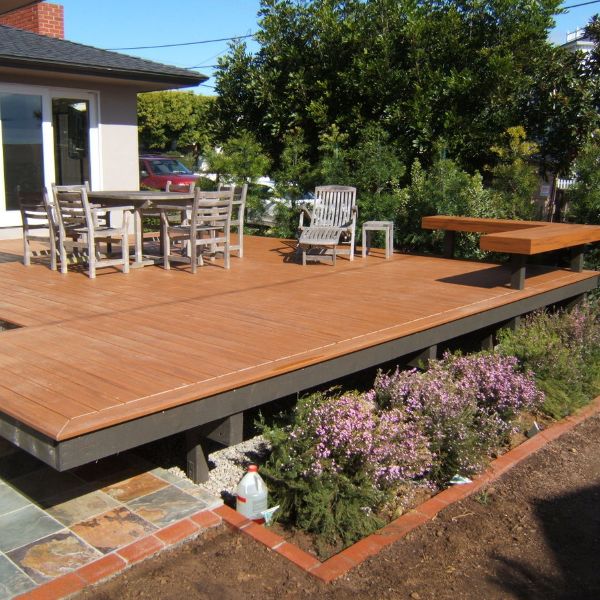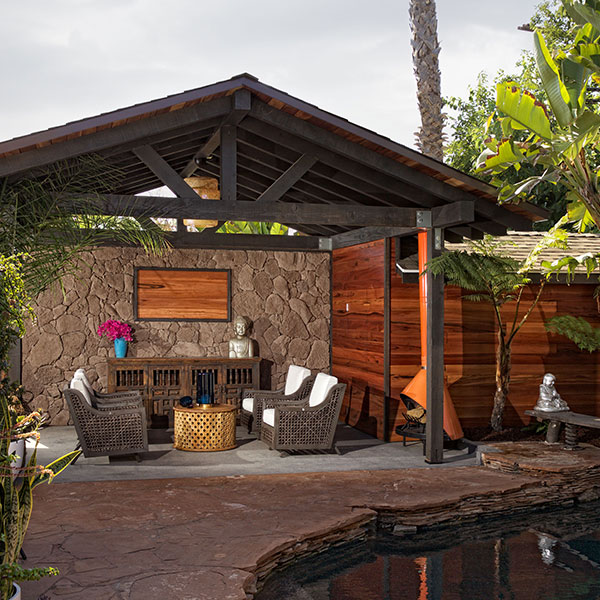

Custom Deck Solutions in Casa de Oro
Casa de Oro-Mount Helix homeowners seeking durable, code-compliant, and beautiful outdoor living spaces need a clear roadmap for custom deck projects, from design and material selection to permits, construction, and long-term care. This guide explains what expert deck builders in Casa de Oro-Mount Helix do, which materials perform best in the local microclimate, when to repair versus replace, and how to navigate San Diego County permit processes and California rules like SB326. Readers will learn practical steps for planning a new deck, comparative pros and cons of composite and wood decking, seasonal maintenance and waterproofing tactics, and the specific inspections and documentation often required by local authorities. The article integrates precise, actionable checklists, comparison tables for materials and services, and maintenance schedules tailored to Casa de Oro-Mount Helix site conditions to help homeowners reduce risk, extend deck lifespan, and enhance outdoor living value. Throughout, target keywords such as deck builders Casa de Oro-Mount Helix, custom decks Casa de Oro-Mount Helix, and deck permit requirements San Diego are woven in to make the guidance easy to act on and directly relevant to local projects.
What Services Do Expert Deck Builders Offer in Casa de Oro-Mount Helix?
Expert deck builders in Casa de Oro-Mount Helix deliver full-service offerings that cover planning through long-term maintenance, ensuring projects meet structural and aesthetic goals. These providers typically begin with site evaluation and discovery to assess slope, soil, drainage, and access, then progress to custom design options and engineered plans that address hillside and multi-level challenges. Construction services include foundations, footings, framing, ledger attachment, decking installation, railing systems, and finishing work such as staining or protective membranes. After construction, many builders provide repair, restoration, waterproofing, and scheduled maintenance plans to preserve structural integrity and appearance. The following list summarizes core services offered and highlights typical deliverables that homeowners should expect when engaging local professionals.
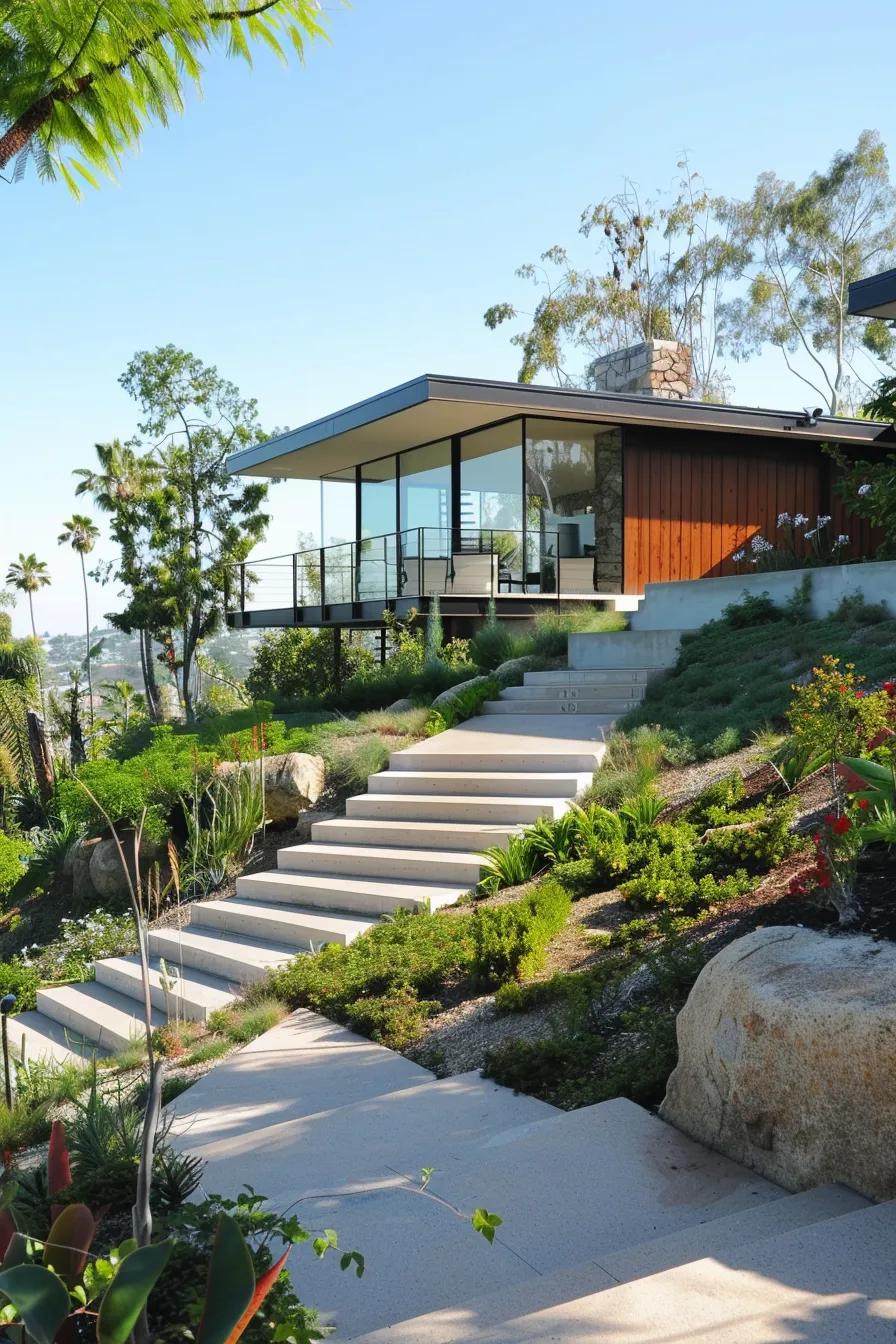
Deck builders in Casa de Oro-Mount Helix commonly offer these core services:
- Discovery & Site Evaluation: Comprehensive site survey, drainage assessment, and feasibility notes for hillside or steep sites.
- Custom Deck Design & Renderings: Scaled plans and optional 3D renderings to visualize multi-level or integrated hardscape solutions.
- Full Construction & Installation: Footings, joists, ledger connections, decking, railings, and certified fastening methods.
- Repair, Restoration & Waterproofing: Board replacement, joist repair, membrane installation, and flashing updates.
- Maintenance Plans & Seasonal Services: Annual inspections, resealing, and targeted repairs to extend lifespan.
Below is a quick reference table comparing common service types, expected timelines, and typical deliverables that help homeowners plan budgets and schedules.
This table clarifies what to expect from each service category and helps homeowners prioritize budget and timing. Understanding service scopes and deliverables prepares you for the permit phase and sets realistic expectations for project duration and outcomes.
How Does Custom Deck Design Enhance Outdoor Living Spaces?
Custom deck design defines how the outdoor space functions, how it integrates with landscape, and how it addresses site constraints like slope and drainage. Good designs prioritize circulation, sightlines, and usability for entertaining, dining, or quiet relaxation while balancing structural needs and code requirements. For Casa de Oro-Mount Helix properties, designers often create multi-level or terraced solutions that mitigate steep grades and preserve existing vegetation, which increases usable square footage and improves connection to the home. Thoughtful design choices such as built-in seating, integrated planters, and lighting enhance usability and property value while reducing retrofit costs later. Effective design therefore reduces construction complications, optimizes material use, and delivers a deck that matches lifestyle goals and site realities.
What Are the Key Steps in Deck Construction and Installation?
Deck construction follows a predictable sequence that ensures safety, compliance, and durability from footing to finish. The process typically begins with permit acquisition and site preparation, including marking utilities, clearing vegetation, and addressing drainage to prevent future water issues. Next come the structural elements: poured footings or piers, posts, beams, joists, ledger attachment, and framing that set the load-bearing foundation for the decking surface. After framing inspection, installers place decking boards, secure guardrails and balustrades, and apply flashing, sealants, or waterproof membranes where needed. Final steps include finishing—staining or applying protective coatings as appropriate—and a final inspection to verify code compliance and workmanship.
Which Decking Materials Are Best Suited for Casa de Oro-Mount Helix Climate?
Choosing decking materials for Casa de Oro-Mount Helix requires balancing durability, maintenance, climate resilience, and aesthetics to match local weather patterns and hillside exposures. Materials perform differently with sun, occasional moisture, and the temperature swings typical of inland San Diego microclimates, so homeowners should prioritize rot resistance, dimensional stability, and low maintenance if close to coastal influences. Composite decking offers moisture resistance and lower upkeep, while exotic hardwoods like Ipe deliver exceptional longevity and natural resistance but require different fastening and finish techniques. Pressure-treated and native softwoods are budget-friendly but need more frequent sealing and maintenance to prevent rot and insect damage.

- Composite (e.g., Trex, TimberTech): Low-maintenance, resists moisture and fading, ideal for long-term ease.
- Exotic Hardwoods (Ipe): Extremely durable and dense, long service life with premium aesthetic.
- Redwood & Cedar: Attractive appearance with good natural rot resistance, moderate upkeep.
- Pressure-treated Wood: Cost-effective initial investment, requires routine sealing and inspection.
To provide a compact cost, durability, and maintenance comparison tailored for Casa de Oro-Mount Helix decisions, the table below outlines typical attributes and use cases for these materials.
This table helps weigh upfront cost against lifespan and ongoing effort, guiding homeowners toward the material that aligns with budget and maintenance tolerance for Casa de Oro-Mount Helix properties.
What Are the Benefits of Composite Decks Like Trex and TimberTech?
Composite decking products such as Trex and TimberTech combine wood fibers and recycled plastics to create low-maintenance surfaces that resist rot, insect damage, and UV fading. These materials reduce the need for staining or sealing and often include warranties that cover fading and structural defects, which can simplify lifecycle planning for homeowners. Composite boards are dimensionally stable, minimizing cupping and splitting in variable temperatures and moisture conditions common in Casa de Oro-Mount Helix, and they offer a wide palette of colors and textures to match architectural styles. Installation best practices include proper spacing, ventilation beneath the deck, and using compatible fasteners, as improper installation can void warranties or cause premature issues. For homeowners prioritizing time-saving care and consistent appearance, composite decking often delivers strong long-term value.
How Do Wood Decks Using Ipe, Redwood, and Cedar Compare?
Wood decking materials vary widely in density, appearance, and care requirements, with Ipe, redwood, and cedar representing distinct trade-offs between performance and cost. Ipe is an exceptionally dense tropical hardwood prized for its hardness, longevity, and natural resistance to decay, making it a premium choice for high-traffic or exposed locations, though it requires specialized fasteners and pre-drilling during installation. Redwood and cedar offer warm tones and good intrinsic rot resistance, creating attractive, natural decks that age gracefully when maintained with periodic sealing and cleaning. Pressure-treated pine remains the most economical option but demands more frequent maintenance to prevent moisture-related deterioration. Homeowners should match material selection to budget, aesthetic preference, and willingness to perform ongoing care to maximize lifecycle value.
How Can Homeowners Maintain and Repair Their Decks in Casa de Oro-Mount Helix?
Regular maintenance and timely repairs extend deck life and protect safety, especially in Casa de Oro-Mount Helix where sun exposure and occasional moisture can accelerate wear. A seasonal maintenance routine—cleaning, inspecting fasteners and joists, resealing wood surfaces, and ensuring flashing and drainage are intact—prevents common failures and identifies problems early. For structural issues, deciding between repair and replacement depends on the extent of rot, joist integrity, and ledger connection condition; safety-critical failures in framing or ledger typically require comprehensive remediation. Waterproofing techniques such as membrane application on cantilevered areas, flashing at ledger interfaces, and appropriate sealants for exposed fasteners reduce water intrusion risks. The numbered checklist below provides a stepwise seasonal maintenance plan for homeowners to follow and to share with contractors for consistent upkeep.
Follow this seasonal maintenance checklist:
- Spring Inspection and Cleaning: Power-wash or scrub surfaces, remove debris, and inspect joists and fasteners.
- Early Summer Sealing: Apply sealers or oiling products for wood decks after thorough drying; inspect composite for stains.
- Fall Drainage & Flashing Check: Confirm gutters, downspouts, and ledger flashing are intact to prevent winter moisture damage.
- Winter Structural Review: Look for sagging, soft spots, or loose railings and schedule professional repairs if needed.
To help homeowners budget and schedule routine care, the table below lists common maintenance tasks alongside recommended frequency, tools/materials, and estimated costs.
This maintenance plan enables homeowners to prioritize tasks, anticipate costs, and coordinate with contractors for preventive work rather than reactive emergency repairs.
When Should You Choose Deck Repair Versus Replacement?
Deciding between repair and replacement hinges on structural integrity, spread of decay, and remaining service life relative to repair costs. Localized issues such as a few rotten boards, loose railings, or isolated fastener corrosion are often cost-effectively repaired and can restore safety and appearance without full replacement. Widespread joist rot, compromised ledger connections, or patterns of settlement that affect multiple structural members usually indicate replacement is the safer and more economical long-term choice. A practical decision framework compares repair cost against the expected remaining lifespan after repair; if repair costs approach the price of replacement or do not address core structural weaknesses, full replacement is recommended. Homeowners should obtain a professional inspection to identify hidden conditions before committing to either option.
What Are Effective Deck Maintenance and Waterproofing Techniques?
Effective waterproofing begins with proper flashing at the ledger, adequate drainage off and under the deck, and selection of compatible membranes or sealers based on decking material. For wood decks, a well-prepared surface, followed by a high-quality penetrating sealer or oil applied under recommended conditions, prolongs service life and reduces cracking and splitting. Composite decks typically benefit from routine cleaning and attention to fastener seal points, with protective mats used near grills to avoid heat damage. Critical details include using corrosion-resistant fasteners, ensuring ventilation beneath deck boards, and installing deck membrane systems where deck surfaces interface with living spaces. Regular attention to these techniques minimizes long-term moisture intrusion and preserves structural components.
What Are the Local Regulations and Permitting Requirements for Deck Building in Casa de Oro-Mount Helix?
Building a deck in Casa de Oro-Mount Helix requires compliance with San Diego County permitting processes, local zoning rules, and California building code provisions that govern structural design, guardrail heights, and ledger connections. Typical permit submissions include scaled site plans, structural drawings (engineered when needed for elevated or multi-level decks), and specifications for materials and fasteners. Inspections occur at key milestones: footing/footing excavation, framing/ledger connection, and final completion to verify compliance with code and approved plans. Common pitfalls that delay approval include incomplete drawings, missing engineering for hillside foundations, and inadequate flashing details; addressing these items in the pre-application phase reduces delays. The checklist below outlines essential steps and documents to prepare when seeking deck permits in San Diego County.
Permitting checklist for deck projects:
- Pre-application Review: Confirm zoning setbacks, allowable coverage, and slope constraints.
- Prepare Plans & Engineering: Submit site plan, framing plan, foundation details, and structural calculations if required.
- Application & Fees: File through the county or city building department with required forms and payments.
- Inspection Scheduling: Arrange footing, framing, and final inspections per permit conditions.
The following short table summarizes typical permit stages, required deliverables, and expected inspection points to guide homeowners and builders through San Diego County processes.
Preparing complete plans and addressing SB326 and similar modern requirements early helps ensure smoother permit approval and timely scheduling of inspections.
How Does California’s SB326 Affect Balcony and Deck Compliance?
California SB326 introduced requirements that change how certain exterior elevated elements are inspected and maintained, particularly for multifamily balconies and similar structures, emphasizing periodic inspections and documentation. While SB326 primarily targets specific residential occupancy categories (such as multifamily residential buildings with three or more units), its principles influence expectations around inspection frequency, load testing, and record keeping for elevated outdoor structures, underscoring the importance of accessible inspection reports and clear maintenance plans. For homeowners and contractors in Casa de Oro-Mount Helix, understanding SB326 helps ensure that multi-unit or high-occupancy deck installations incorporate design and inspection provisions that align with evolving state-level safety mandates. Engaging qualified professionals who are familiar with SB326-related inspection protocols reduces compliance risk and ensures that balconies and decks meet contemporary safety standards.
What Is the Process to Obtain Deck Building Permits in San Diego County?
Obtaining deck permits in San Diego County follows an ordered process that begins with pre-application checks and ends with final inspections and approval, and it benefits from early coordination with plan reviewers. Homeowners should first verify zoning and setback constraints, then prepare and submit detailed site plans and structural drawings; engineers may need to stamp plans for elevated or hillside decks. After permit issuance, schedule inspections at prepared intervals—footings, framing, and final—and respond promptly to any correction notices. Timelines vary depending on the complexity of the project and review workload, so building teams should allow buffer time for plan revisions and inspection scheduling. Clear documentation and proactive communication with county reviewers reduce delays and streamline the path to a compliant, finished deck.
Why Choose Local Expert Deck Builders in Casa de Oro-Mount Helix?
Local deck builders bring deep understanding of Casa de Oro-Mount Helix topography, microclimate, and San Diego County permit nuances, which reduces surprises during construction and helps protect homeowners from common hillside pitfalls. Local expertise translates into efficient site evaluations that anticipate drainage and access challenges, informed material recommendations tailored to local exposure, and working knowledge of inspector expectations that can speed approvals. Experienced crews familiar with multi-level and hillside decks use proven construction methods—correct footing depths, engineered ledger attachments, and proper flashing—to ensure durability and safety in Casa de Oro-Mount Helix conditions. The list below highlights unique value propositions that local expert builders commonly offer, helping homeowners choose contractors who minimize risk and deliver lasting results.
Unique value propositions of Casa de Oro-Mount Helix deck builders include:
- Hillside and Multi-level Experience: Specialized techniques for slope stabilization and terraced deck solutions.
- Local Code Knowledge: Familiarity with county reviewer preferences and common permitting pitfalls.
- Material Sourcing & Warranty Coordination: Access to appropriate decking products and understanding of warranty implications.
- On-site Problem Solving: Practical approaches for tight access sites, vegetation preservation, and erosion control.
To demonstrate quality and trust without overstating claims, contractors should present project case details and measurable outcomes; the next subsection explains how homeowners can evaluate testimonials and case studies for meaningful evidence of workmanship.
What Unique Value Propositions Do Casa de Oro-Mount Helix Deck Builders Offer?
Casa de Oro-Mount Helix builders often emphasize a combination of technical skill and local understanding that directly benefits homeowners during planning, permitting, and construction phases. Their experience with steep grades and multi-level configurations allows them to design decks that maximize usable space while respecting drainage and erosion control requirements, reducing the chance of costly retrofits. Local teams typically maintain relationships with suppliers and inspectors, which can streamline material selection and help anticipate review comments, saving time and expense. These builders also bring practical installation knowledge—proper flashing, ventilation, and fastener selection—that preserves warranty coverage and enhances long-term performance. Collectively, these attributes make local expertise a key decision factor for Casa de Oro-Mount Helix homeowners pursuing durable, code-compliant decks.
How Do Customer Testimonials and Case Studies Reflect Quality and Trust?
Well-crafted testimonials and case studies provide concrete evidence of a builder’s process, performance, and problem-solving ability by showing before/after conditions, project scope, specific challenges, timeline adherence, and client feedback. Effective case studies include photos that illustrate complex site conditions, a description of the solution (for example, a terraced multi-level deck with engineered footings), and metrics such as completion time and adherence to budget that help prospective clients set expectations. Short client quotes that reference particular outcomes—like responsiveness during permitting or the durability of chosen materials—add credibility when paired with visual documentation. Presenting this information consistently helps homeowners evaluate workmanship quality, communication, and long-term results when selecting a deck builder in Casa de Oro-Mount Helix.