Effective Residential Landscape Design Services in Mt Helix: Custom Outdoor Living Solutions for Homeowners
For homeowners in Mt. Helix, La Mesa, and throughout San Diego, residential landscape design is more than just aesthetics—it’s about creating cohesive, functional outdoor living spaces that enhance enjoyment, boost curb appeal, and significantly increase long-term property value. At Wilson Woodscape, our landscape contractor understands the unique challenges and opportunities presented by San Diego’s Mediterranean climate and the distinctive hillside terrain of communities like Mt. Helix.
With over 30 years of experience, Jeff Wilson, founder and master builder, delivers exceptional landscape construction in San Diego that homeowners trust. This article explains how our professional landscape design and construction services combine site-sensitive planning, premium material selection, and craft-driven installation to deliver stunning outdoor kitchens, durable hardscapes, efficient irrigation systems, and sustainable plantings that thrive in local microclimates.
Many Mt. Helix homeowners grapple with balancing aesthetic goals with drought rules, sloped lots, and complex drainage challenges. Our expert design-build teams translate these constraints into practical, beautiful solutions that work year-round. Below, we cover the primary benefits of hiring a professional, our step-by-step design-build process, the types of outdoor living spaces you can commission, how hardscape services integrate with planting design, transparent cost factors, sustainable garden strategies for San Diego, and where to see project examples and client outcomes. Read on to understand what to expect at each stage and how to prioritize investments for maximum lifestyle and resale impact.
Call Wilson Woodscape at (619) 838-1398.
What Are the Key Benefits of Professional Residential Landscape Design in Mt. Helix?
Professional residential landscape design in Mt. Helix aligns beauty, function, and water-wise performance by assessing unique site conditions and tailoring solutions to the homeowner’s lifestyle and our coastal Mediterranean climate. A skilled designer integrates hardscape, planting palettes, irrigation, and drainage so spaces perform well during dry summers and mild winters, providing usable outdoor living areas for entertaining and daily life.
Working with an experienced landscape construction team like Wilson Woodscape reduces risk: it clarifies scope, anticipates permitting needs (especially crucial for hillside properties), and sequences work to avoid costly rework, which protects your budget and timeline.
Professionally designed landscapes deliver measurable advantages for your Mt. Helix home:
- Increased property value and curb appeal from cohesive, well-executed exterior improvements make.
- Better outdoor functionality with defined activity zones for dining, relaxation, and play, perfectly suited for a backyard makeover in Mt Helix that residents will adore.
- Significant water savings and lower maintenance through drought-tolerant plantings and efficient irrigation, essential for San Diego’s climate.
- Site-specific problem solving for slopes, drainage, and microclimates to avoid long-term issues, a critical consideration for Mt. Helix properties.
How Does Landscape Design Increase Property Value and Curb Appeal in Mt. Helix?
Landscape design increases property value by creating functional outdoor “rooms” that extend living space and by using high-quality materials and craftsmanship to suggest long-term durability. Thoughtful layout and front yard landscape ideas can be implemented to boost curb appeal, which can shorten time on market and influence buyer perception during showings. Functional upgrades such as flagstone patios, redwood pergolas, and well-integrated outdoor lighting design add usable square footage effectively, often producing a strong return on investment when designed for flow and low maintenance.
What Functional and Aesthetic Advantages Do Custom Outdoor Living Spaces Offer?

Custom outdoor living spaces organize activities—cooking, dining, lounging, and gardening—into purposeful zones that support a homeowner’s daily routines and entertaining habits. Imagine a seamless transition from your indoor kitchen to a fully equipped outdoor culinary haven, perfect for enjoying Mt. Helix’s beautiful evenings.
A well-designed outdoor kitchen, defined seating areas, and integrated lighting improve usability after dusk and reduce friction between indoor and outdoor circulation. Material selections like natural stone or ipe decking, combined with meticulous detailing, create a visual relationship with the home’s architecture, producing a cohesive aesthetic that reads as an intentional extension of the house. Considering these functional and aesthetic aspects early in design keeps projects focused on high-value outcomes and reduces mid-project change orders.
Why Is Sustainable and Drought-Tolerant Design Essential for San Diego Homes?

Sustainable, drought-tolerant design is essential in San Diego because local water restrictions and climate variability make efficient water use both an environmental and financial priority. Native and low-water plant selections—such as manzanita, rosemary, bougainvillea, and various succulents—reduce irrigation demand while supporting local biodiversity. Mulch, soil amendments, and targeted irrigation retain moisture to lessen long-term maintenance.
Sustainable design also positions landscapes for resilience during dry periods and can align with local rebate or incentive programs that reward water-saving upgrades. With sustainability in mind, homeowners can enjoy lush-looking landscapes that consume far less water and require fewer inputs over time, a smart choice for any Mt. Helix property.
How Does Wilson Woodscape’s Landscape Design Process Work in San Diego?
A transparent design-build process outlines milestones and deliverables from first contact through final walkthrough. Understanding typical steps helps homeowners plan time and budget effectively. As a leading landscape contractor in Mt Helix, Jeff follows a structured workflow that begins with a goal-focused consultation and site analysis, progresses through concept and 3D rendering development, and culminates in managed installation overseen by experienced craftsmen.
Our approach leverages combined construction and landscape expertise to anticipate technical challenges—especially for custom woodwork, ironwork, and concrete details—and to coordinate permitting and subcontractors. This is particularly vital for Mt. Helix properties with their unique grading and structural requirements. Knowing what to expect at each stage reduces uncertainty and speeds approvals, which keeps projects on schedule and aligned with homeowner expectations.
- Initial Consultation: Discuss goals, budget, and schedule while documenting site constraints specific to your Mt. Helix property.
- Site Analysis: Take precise measurements, note slopes, soils, drainage patterns, and microclimates for informed design, crucial for hillside stability.
- Concept & 3D Renderings: Translate ideas into detailed plans and visualizations so clients can see materials and spatial relationships, including how new features will integrate with existing views.
- Permitting and Approvals: Prepare drawings and documentation required for local permits and compliance, navigating San Diego’s regulations.
- Project Management & Construction: Coordinate subcontractors, manage schedule, and perform quality control through installation, ensuring every detail meets Wilson Woodscape’s high standards.
- Final Walkthrough & Orientation: Complete punch list items and review maintenance recommendations with the homeowner, ensuring long-term satisfaction.
What Happens During the Initial Consultation and Site Analysis?
During the initial consultation, we gather your goals, lifestyle preferences, and budget parameters. Simultaneously, we conduct a physical site assessment to record dimensions, slope, soil conditions, drainage patterns, and sun orientation. This data collection informs zoning decisions for seating, cooking, and planting, and it identifies constraints such as tight setbacks or grade changes that affect cost and buildability—especially critical for Mt. Helix landscaping. Clear documentation at this stage prevents surprises later by aligning client priorities with realistic technical solutions and phased approaches where appropriate.
How Are 3D Renderings and Custom Designs Developed?
3D renderings begin with schematic sketches that capture circulation, key features, and material intent, then progress to detailed renderings with plant palettes, textures, and lighting studies so homeowners can evaluate look and scale before construction. This allows you to visualize your backyard makeover in stunning detail, from the placement of a jacaranda tree to the texture of a flagstone patio. Revisions are handled through defined rounds, allowing clients to refine materials and layouts while preserving the overall technical feasibility established in site analysis. Visualizations reduce decision anxiety and improve permitting documentation by providing clear references for subcontractors during bidding and installation. Once renderings are approved, the project moves toward permitting and a detailed construction scope.
What Is Included in the Project Management and Installation Phases?
Project management includes scheduling trades, ordering long-lead materials, coordinating inspections, and enforcing site safety and quality standards during installation to ensure work aligns with the design intent. On-site phases typically include demolition or grading (critical for Mt. Helix slopes), utility and irrigation installation, hardscape base work, structural carpentry or ironwork (our specialty in custom woodwork), planting, and final lighting and finishing touches. Regular homeowner touchpoints and progress reports maintain communication, and a punchlist and final walkthrough confirm completion and provide maintenance instructions. Effective oversight reduces the risk of change orders and ensures the crafted elements match specified quality levels.
How Does Jeff Wilson’s Expertise Enhance the Design-Build Experience?
Jeff Wilson brings a combined background in construction and landscape practice that helps translate design ideas into buildable details, particularly for custom woodwork, ironwork, and concrete features that require craftsmanship and technical coordination. His hands-on perspective, honed over 30 years, reduces gaps between aesthetic intent and construction realities, enabling practical solutions for challenging sites and custom elements—a true advantage for complex Mt. Helix properties. That integration of design thinking with construction know-how speeds decision-making and helps control costs while delivering durable, well-executed outcomes.
What Types of Outdoor Living Spaces Can Be Designed and Built in San Diego?
Mt. Helix homeowners can commission a wide range of outdoor living features that extend living areas and enhance lifestyle, from compact patios and seating walls to full outdoor kitchens and covered pergolas. Design choices should reflect use patterns—daily family meals, entertaining, quiet retreats—and site realities such as sun exposure and prevailing winds. Durable materials and marine-grade finishes are critical in coastal zones to avoid premature corrosion, while softscape choices emphasize drought-tolerant palettes that remain attractive year-round.
The most common outdoor living features we design and build include:
- Outdoor kitchens and bar areas that support cooking and socializing outdoors, often featuring durable stone counters and stainless steel appliances.
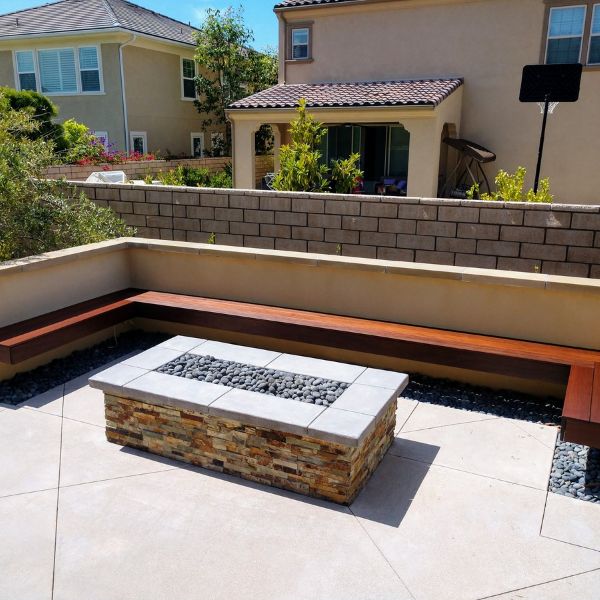
- Fire pits and built-in seating to expand usable hours into evenings and cooler months, perfect for enjoying Mt. Helix views.
- Covered pergolas, shade structures, and integrated outdoor lighting design for comfort and ambiance.
- Patios, paver installations, and multifunctional seating zones for flexible use, often incorporating flagstone or decomposed granite.
How Are Custom Outdoor Kitchens Designed for San Diego Backyards?
Custom outdoor kitchens start with an ergonomic layout that supports cooking workflow—prep, cooking, and serving zones—while addressing service needs for gas, electrical, and plumbing. Material choices focus on durable counters (like granite or concrete), stainless steel appliances, and weather-resistant cabinetry or stone to withstand San Diego’s climate. Integrating adjacent dining and shade structures ensures comfort and circulation, while drainage planning prevents water pooling around appliances and seating. Properly detailed outdoor kitchens expand usable living space and become focal points for entertaining, making your backyard makeover truly exceptional.
What Are the Benefits of Fire Pits and Pergolas in Outdoor Living Areas?
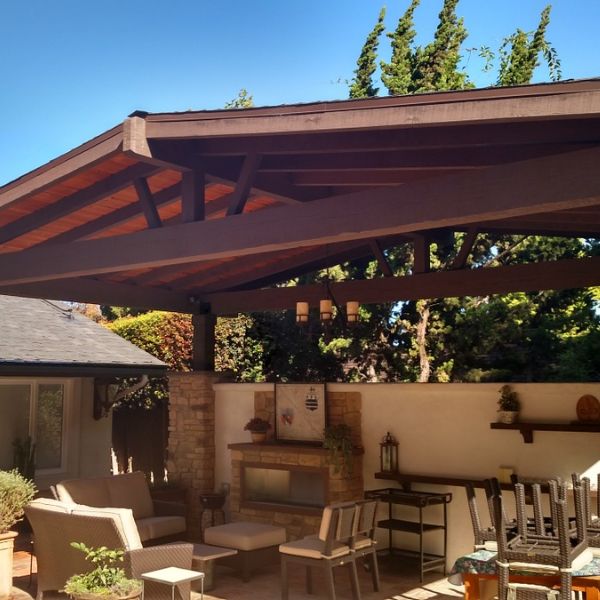
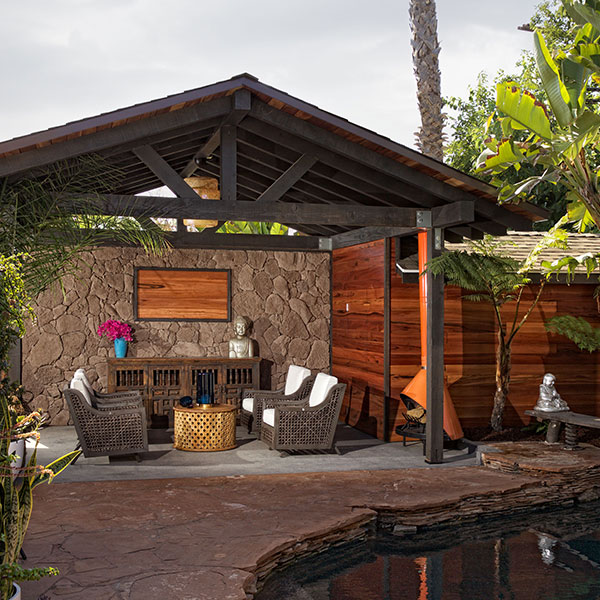
Fire pits and pergolas create visual anchors and extend outdoor use later into the evening and shoulder seasons, offering warmth and defined gathering spots for families and guests. Placement considers wind, clearance, and proximity to structures for safety and comfort, and fuel choice (wood, gas) informs permitting and ventilation requirements. Pergolas, often crafted from redwood or ipe by our custom woodwork experts, provide filtered shade and structure for climbing plants or integrated lighting, and can be customized with wood or metal finishes for a distinct architectural statement. Thoughtful implementation enhances comfort and can transform underused areas into year-round living rooms, perfect for enjoying the Mt. Helix climate.
How Does Outdoor Lighting Enhance Safety and Ambiance?
Layered outdoor lighting improves safety by illuminating circulation paths and steps while creating an atmosphere for entertaining or relaxation. LED and low-voltage technologies reduce energy use and support dimming and control strategies that adapt scenes throughout the evening. Placement near seating, steps, and focal features such as specimen plants (like a mature jacaranda or a cluster of bougainvillea) or water elements balances utility and drama without over-illumination. Integrating lighting with the overall design plan enhances usability and elevates perceived quality of the landscape, making your Mt. Helix home shine after dark.
What Patio and Seating Options Are Available for Residential Landscapes?
Patios and seating can be executed with pavers, natural stone (like flagstone), stamped concrete, or poured surfaces, depending on budget and aesthetic goals, and built-in benches or movable furniture define social zones. Layouts consider sightlines, sun orientation, and adjacency to indoor living spaces to create seamless transitions. Materials should be selected for slip resistance, maintenance needs, and compatibility with the home’s architectural language. Properly designed patios and seating arrangements increase usable outdoor area and support a variety of activities from quiet mornings to large gatherings, enhancing your outdoor living spaces.
How Do Hardscape Design and Installation Services Complement Residential Landscape Design?
Hardscapes provide the structural backbone of a landscape by defining circulation, creating terraces, and providing durable surfaces for activity zones. They must be designed with drainage and long-term performance in mind, especially crucial for the sloped properties common in Mt. Helix. When hardscape materials and profiles are coordinated with planting design and irrigation layout, the result is a cohesive environment that performs under varied weather and use. Installation quality—base preparation, compaction, edge restraints, and proper drainage—determines long-term success and maintenance requirements.
- Pavers provide modularity and easy repair while offering a wide range of patterns and textures, ideal for patios and walkways.
- Stamped Concrete yields a continuous surface with custom patterns but requires proper control joints and sealing.
- Natural Stone (like flagstone) offers premium aesthetics and durability but typically costs more and requires skilled installation.
- Decomposed Granite (DG) offers a natural, permeable surface, great for pathways and informal patios.
How Do Hardscape Improve Outdoor Functionality and Aesthetics?
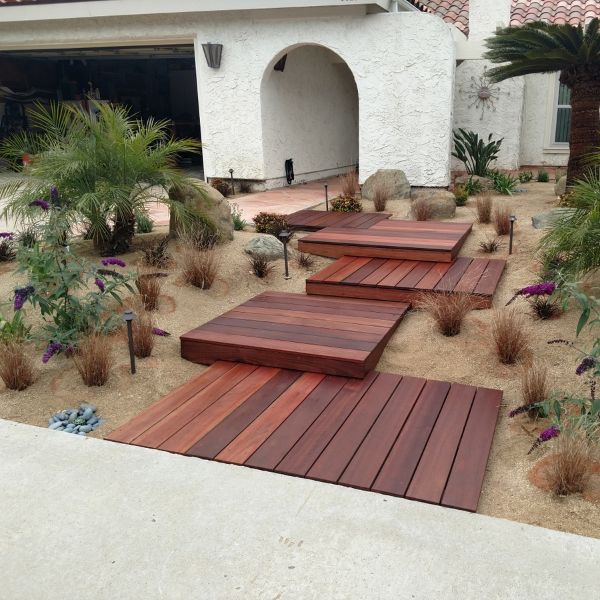
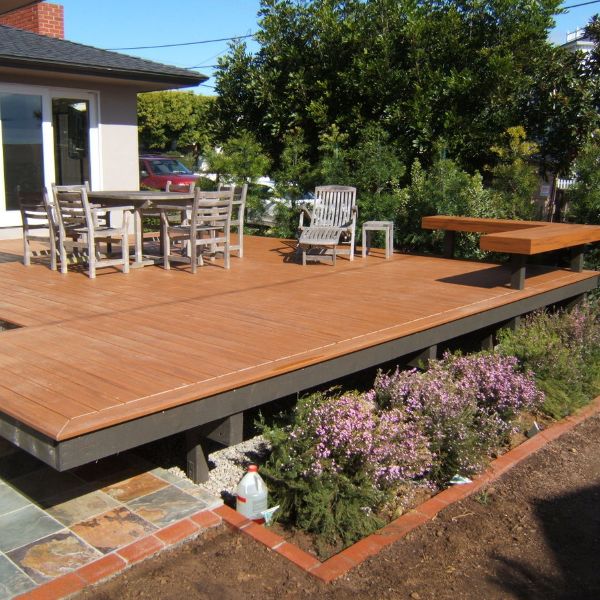
Hardscape creates circulation routes, defines activity zones, and anchors planting beds, improving usability by connecting indoor spaces to outdoor features and providing durable surfaces for furniture and appliances. Proper grading and integrated drainage reduce erosion and standing water, protecting plants and structures—a vital consideration for hillside homes. Consistent material palettes, such as flagstone pathways leading to a redwood deck, create visual cohesion with the home. Hardscape choices also influence maintenance demands and can reduce long-term upkeep when built with appropriate base preparation and materials.
What Is the Process for Designing and Installing Custom Patios and Walkways?
Designing and installing custom patios and walkways begins with layout and grading to establish correct slopes for drainage, followed by base preparation and material installation with edge restraints and compaction for stability. Sequencing includes irrigation adjustments, lighting conduit placement, and any structural work required for steps or retaining walls before the final surfacing and jointing.
Final steps include sealing or surface treatments as specified and a walkthrough to confirm elevations and finishes meet the design. Clear staging and quality control during installation minimize callbacks and preserve the intended performance of the hardscape.
What Are the Costs and Pricing Factors for Residential Landscape Design in San Diego?
Transparent cost guidance helps homeowners plan realistically by understanding typical ranges and the variables that drive price, such as scope, materials, site complexity, permits, and labor. Design rates and construction estimates vary widely: smaller design-only engagements use hourly fees, while full design-build projects are priced per project based on deliverables and complexity. Wilson Woodscape provides consultations and tailored estimates so homeowners can compare phased approaches versus full-scale build-outs, keeping cost transparency front and center.
Below is a practical list of budgeting tips to maximize value during planning:
- Prioritize High-Impact Elements: Invest first in hardscape and irrigation that reduce long-term maintenance and address critical site issues like drainage on Mt. Helix slopes.
- Phase Strategically: Break large projects into stages to spread cost while achieving usable outcomes early. This allows you to enjoy parts of your Mt Helix landscaping sooner.
- Choose Durable Finishes: Pay more for materials like ipe decking or natural stone that reduce replacement and repair costs over time, especially in San Diego’s climate.
What Budgeting Tips Help Homeowners Maximize Their Investment?
Homeowners maximize investment by focusing first on elements that create immediate usability and long-term savings, such as efficient irrigation, durable paving (like flagstone or high-quality pavers), and lighting that enhances safety and occupancy time. Selecting mid-range materials that mimic premium looks can reduce upfront costs while still achieving a refined aesthetic. Phasing projects—installing core hardscape and irrigation first, then adding custom cabinetry or high-end finishes later—spreads cost and allows homeowners to refine design decisions after experiencing the initial improvements.
Pro Tip from Jeff Wilson:
“For Mt. Helix properties, always prioritize proper drainage and slope stability. Investing in well-engineered retaining walls and thoughtful grading upfront will save you significant headaches and costs down the line, ensuring your landscape endures for decades.”
How Does Project Scope Affect Pricing for Luxury vs. Basic Designs?
Luxury projects command higher budgets because they include custom fabrication, structural elements (like extensive retaining walls for hillside properties), premium materials (e.g., ipe decking, imported stone), elaborate outdoor lighting, and often additional permitting and engineering work; these items add labor intensity and specialist trades. Basic designs focus on planting and small hardscape improvements with off-the-shelf materials and simpler installation sequences, producing lower upfront costs. Site complexity, such as steep slopes, challenging access, or significant drainage work, increases labor and equipment needs regardless of finish level.
How Does Sustainable Garden Design Enhance San Diego Residential Landscapes?
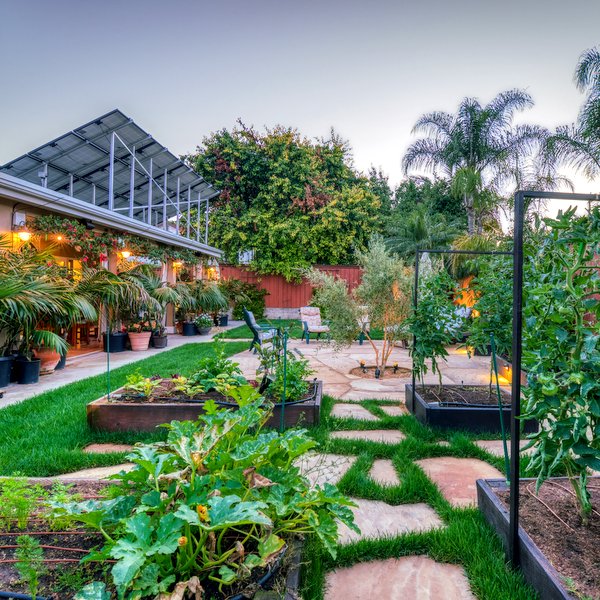
Sustainable garden design reduces water use, lowers maintenance, and improves ecological value by combining xeriscaping principles, native plant palettes, and efficient irrigation technologies suited to San Diego’s climate. Thoughtful soil preparation, appropriate plant selection by function (groundcover, screening, accent), and mulching improve water retention and plant health while minimizing supplemental irrigation. When water features are included, they are designed with recirculation and efficient siting so they complement sustainability goals rather than undermine them.
The following list highlights core sustainable techniques to implement:
- Select native and Mediterranean-adapted species to minimize supplemental irrigation, such as manzanita, rosemary, and various succulents.
- Use drip irrigation and smart controllers for plant beds; reserve spray or rotor heads for turf where absolutely needed, ensuring efficient water use.
- Improve soil with organic amendments and apply mulch to reduce evaporation and moderate root temperatures, crucial for plant health in dry climates.
What Are the Best Drought-Tolerant Plants and Xeriscaping Techniques?
Top drought-tolerant choices for Mt Helix include native shrubs like manzanita and ceanothus, Mediterranean herbs such as rosemary and lavender, and ornamental grasses that thrive with minimal irrigation once established. Bougainvillea and various succulents also provide vibrant color and texture with low water needs. Xeriscaping techniques emphasize grouping plants by water needs (hydrozoning), improving soil organic matter to increase water-holding capacity, and using mulch to reduce evaporation and suppress weeds. Strategic placement—using lower-water plants on slopes and water-loving species in microzones near irrigation lines—optimizes resource use. Implementing these principles produces gardens that are both drought-resilient and visually appealing.
How Is Efficient Irrigation Integrated into Sustainable Landscape Designs?
Efficient irrigation pairs low-flow delivery methods—such as drip lines and subsurface emitters—with smart controllers and soil moisture sensors to apply water only where and when needed. Drip systems suit planting beds and containers, while rotor or low-angle spray heads may serve limited turf areas; proper zoning prevents overwatering and runoff. Integration also includes planning for future reuse options, such as greywater, where permitted, and ensuring controllers are accessible for seasonal adjustments. An irrigation plan that matches plant needs reduces water waste and supports long-term landscape health, a key component of landscape construction.
What Role Do Native San Diego Flora and Water Features Play in Garden Design?
Native San Diego flora supports local pollinators and wildlife, requires less supplemental irrigation than many exotic ornamentals, and often provides year-round structure and seasonal interest. When water features are included, they should be designed with recirculation and efficient pumps, sited to minimize evaporation, and planted with drought-adapted companions to mitigate water loss. Balancing native plantings with occasional accent plant choices (like a stunning jacaranda tree) and responsibly managed water features creates gardens that are ecologically supportive and enjoyable.
Where Can Homeowners See Examples of Successful Residential Landscape Projects in San Diego?
Viewing portfolios and case studies helps homeowners visualize outcomes, evaluate craftsmanship, and learn how designers solved site-specific challenges; curated before-and-after examples highlight technical solutions and homeowner benefits. Wilson Woodscape’s portfolio emphasizes custom outdoor living spaces, structural woodwork and iron details, and integrated hardscape and planting solutions that respond to San Diego conditions, particularly the unique demands of Mt. Helix.
- Clear before-and-after visuals demonstrating problem resolution and improved usability, especially for challenging Mt. Helix slopes.
- Descriptions of technical challenges (drainage, slope stability, and view preservation) and the applied solution.
- Notes on materials and craftsmanship, especially custom woodwork (redwood pergolas, ipe decks) and iron details.
Which Project Features Showcase Innovation and Craftsmanship?
Signature features that showcase innovation include custom pergolas with integrated lighting and concealed fasteners, bespoke iron details for gates and railings, and textured concrete or stone work that complements plant palettes and circulation patterns. Craftsmanship appears in well-executed transitions between materials (e.g., flagstone to ipe decking), tight tolerances in wood and metal work, and thoughtful integration of irrigation and lighting that preserves aesthetics. These elements elevate a landscape from decorative to enduring, and they often become the details that clients cite as most valuable in long-term satisfaction.
Frequently Asked Questions
What should homeowners consider when selecting a landscape design firm in San Diego?
When choosing a landscape design firm for your Mt. Helix home, homeowners should evaluate the firm’s experience, portfolio, and client testimonials. It’s essential to look for a firm that understands local climate conditions, hillside challenges, and sustainable practices. Additionally, consider their design process, communication style, and ability to work within your budget. A good firm, like Wilson Woodscape, will provide clear timelines, transparent pricing, and a collaborative approach to ensure that your vision is realized while addressing any site-specific challenges.
How can homeowners maintain their landscapes after installation?
Post-installation maintenance is crucial for preserving the beauty and functionality of your landscape. Homeowners should establish a regular watering schedule, especially for new plantings, and monitor for pests or diseases. Mulching can help retain moisture and suppress weeds. Additionally, seasonal pruning and fertilization will promote healthy growth. It’s also beneficial to consult with your landscape designer for specific maintenance recommendations tailored to your plants and hardscape to ensure long-term success, particularly for drought-tolerant species like manzanita and rosemary.
What are the most common challenges faced during landscape design in San Diego?
Common challenges in San Diego landscape design, especially in Mt. Helix, include managing water restrictions, addressing sloped terrains, and ensuring proper drainage and slope stability. Homeowners may also face difficulties in selecting drought-tolerant plants that thrive in local microclimates. Additionally, navigating permitting processes for certain features like retaining walls or large custom woodwork structures can be complex. Working with a knowledgeable design-build team like Wilson Woodscape can help mitigate these challenges by providing tailored solutions that enhance both aesthetics and functionality while adhering to local regulations.
What role do seasonal changes play in landscape design planning?
Seasonal changes significantly impact landscape design planning, as they influence plant selection, maintenance needs, and outdoor usability. Designers must consider how plants will perform throughout the year, ensuring that there is visual interest in all seasons, from the purple blooms of jacaranda in spring to the evergreen structure of manzanita. Additionally, planning for seasonal weather patterns, such as heavy rains or dry spells, is essential for irrigation and drainage solutions. By anticipating these changes, homeowners can create resilient landscapes that remain beautiful and functional year-round.
What are the benefits of using native plants in landscape design?
Using native plants in landscape design offers numerous benefits, including reduced water usage, lower maintenance requirements, and enhanced biodiversity. Native plants are well-adapted to local climate conditions, making them more resilient to drought and pests. They also provide essential habitats for local wildlife, including pollinators.
Elevate Your Mt. Helix Outdoor Living Experience
Investing in professional residential landscape design in Mt. Helix enhances property value, improves outdoor functionality, and promotes sustainable practices tailored to our unique local climate. By collaborating with experienced design-build teams like Wilson Woodscape, homeowners can achieve cohesive outdoor spaces that reflect their lifestyle while expertly addressing site-specific challenges.
Your Mt. Helix home deserves a landscape as stunning as its views. Contact Jeff Wilson, landscape construction expert, and Wilson Woodscape today at 619-838-1398 to schedule your personalized design-build consultation.